

There’s a certain charm to Saturday mornings at the College of San Mateo. The fog is just beginning to lift off the hills, the scent of coffee drifts through the air, and the buzz of shoppers fills the parking lot as locals browse through rows of produce and artisan goods.
The San Mateo Farmers Market isn’t just a place to buy fruits and vegetables — it’s a weekly ritual, a community gathering, and one of the most vibrant farmers’ markets in the Bay Area.
Market Logistics and Essential Details
Location
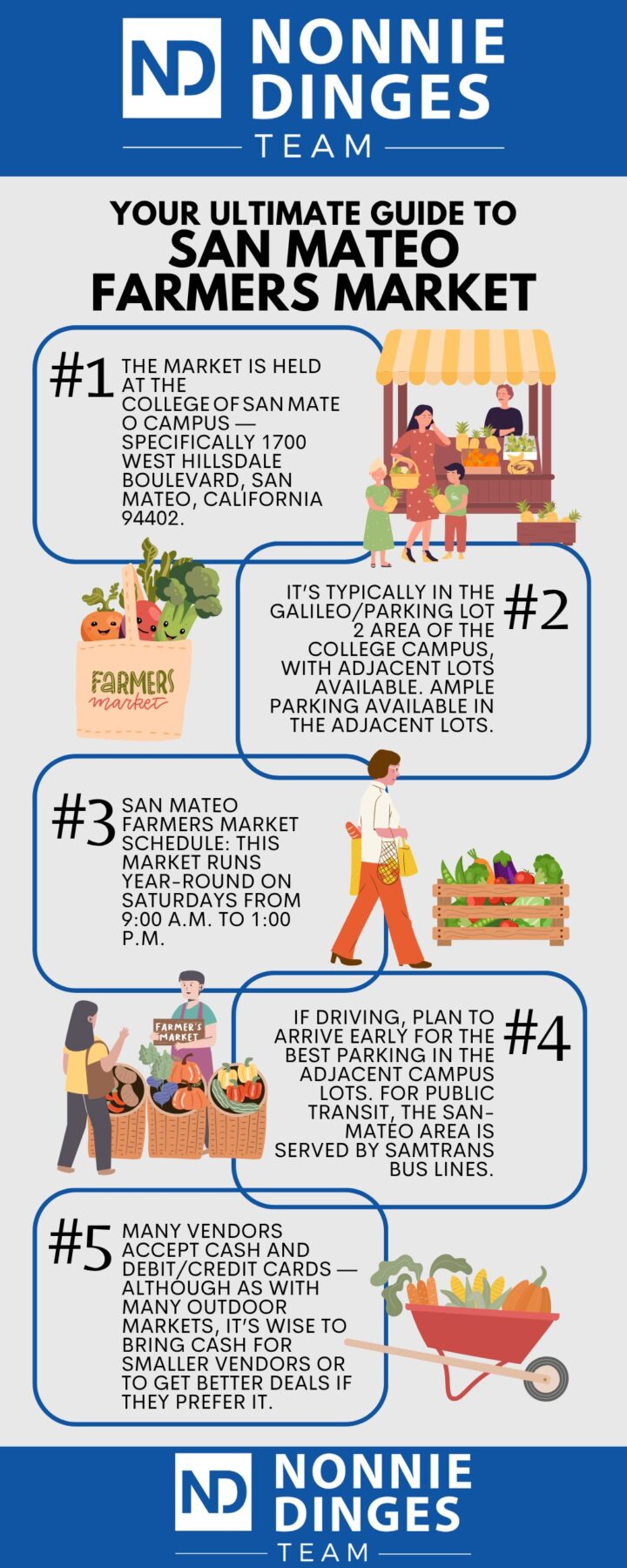
The market is held at the College of San Mateo campus — specifically 1700 West Hillsdale Boulevard, San Mateo, California 94402.
Parking
It’s typically in the Galileo/Parking Lot 2 area of the college campus, with adjacent lots available. According to listings, “ample parking available in the adjacent lots.” Because this lot is shared with campus uses, arriving early helps ensure easier access.
Operating Schedule: “When to Go”
San Mateo Farmers Market schedule: This market runs year-round on Saturdays from 9:00 a.m. to 1:00 p.m.
Transportation
If driving, plan to arrive early (say by 9:00 a.m.) for the best parking in the adjacent campus lots. Later in the morning (after 11:00 a.m.), parking may still be available, but you might have to walk a little farther from overflow lots.
For public transit, the San-Mateo area is served by SamTrans bus lines. Check local routes to West Hillsdale Blvd.
Payment Methods
The market is designated a “Certified Farmers’ Market” and accepts a variety of payments: CalFresh/EBT cards, WIC/Farmers’ Market Nutrition Program checks, and senior FMNP checks.
Many vendors accept cash and debit/credit cards — although as with many outdoor markets, it’s wise to bring cash for smaller vendors or to get better deals if they prefer it. The site also indicates participation in the Market Match incentive program.

The “What to Buy” Seasonal Breakdown
Making the most of what’s fresh means shopping by season — and knowing what to look for ensures you’re getting the peak flavor and value.
Spring Highlights (March – May)
In spring, you’ll find tender leafy greens such as baby kale, arugula, spinach, as well as crisp asparagus stalks, sweet early strawberries, and sometimes the very first cherries of the year (depending on the micro-climate).
These are small-batch items from local farms, so quality tends to be excellent.
Summer Bounty (June – August)
This is the peak season, and the market truly shines. Look for juicy stone fruits—peaches, plums, nectarines, sweet corn, and various summer squashes.
These items tend to be abundant and fresh-picked, so you’ll often find better value and flavor than what you see in a standard supermarket.
Fall Harvest (September – November)
As things cool a bit, the tables shift to apples (including local varieties), pumpkins (both carving and pie-ready), ornamental gourds, winter squashes (like butternut, acorn, spaghetti), and seasonal honeys as beekeepers harvest.
This is a great time for root veggies and storage-friendly produce as well.
Year-Round Staples
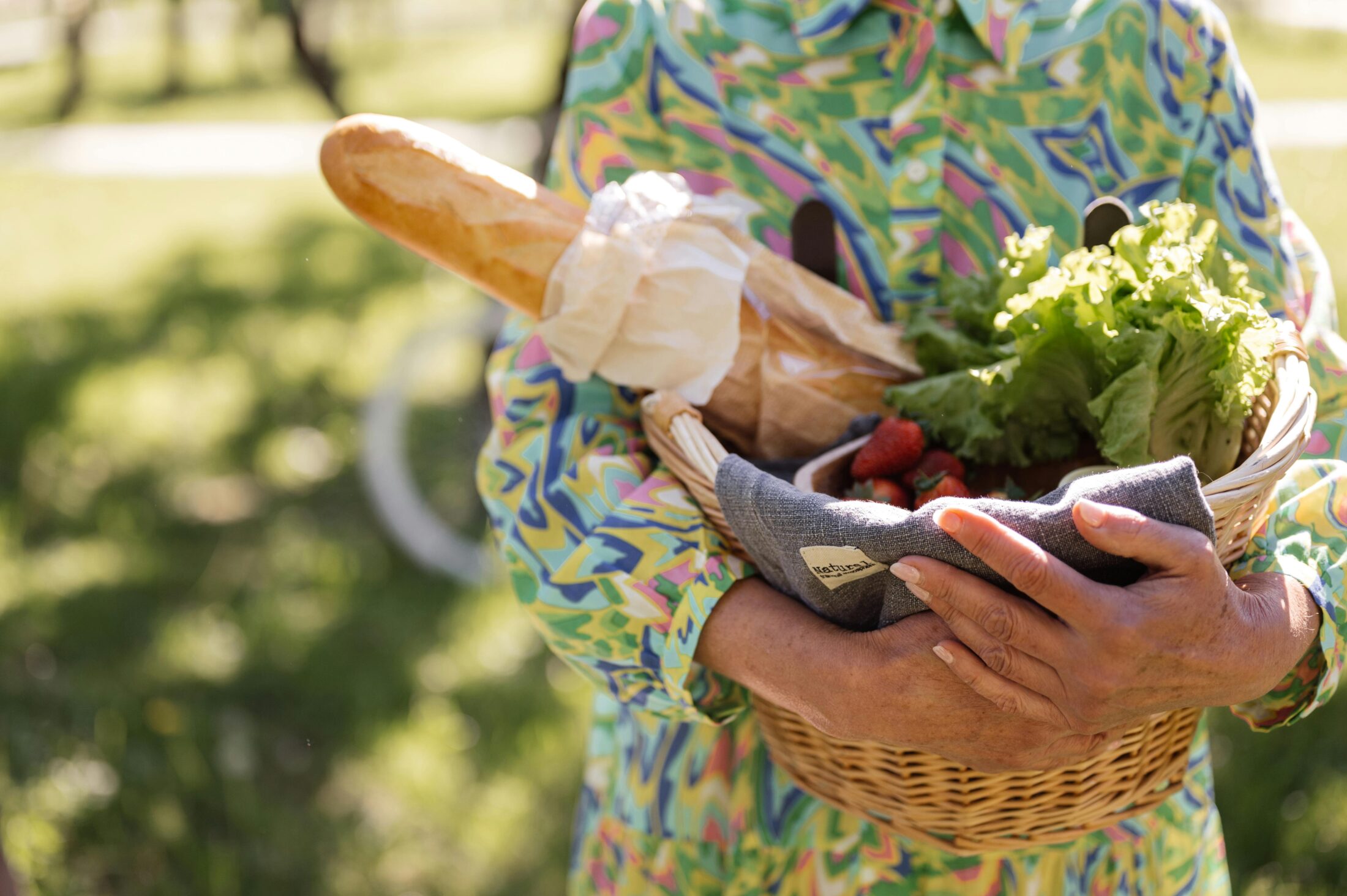
Don’t forget that even when peak produce is less plentiful, the San Mateo Farmers Market still offers excellent items year-round: artisan bread, fresh eggs, local meats (grass-fed or pasture-raised when available), local coffee roasters, and prepared foods.
These stalwart vendors help make the trip worthwhile even in the “off-peak” produce months.
Beyond Produce: The Vendors Who Make It Special
The market isn’t just vegetables; it’s a full local-food ecosystem.
Baked Goods & Specialty Items
Look out for local bakeries offering artisan breads (sourdoughs, whole-grain loaves), pastry vendors, and stalls with unique sweets or confections. Some vendors may specialize in gluten-free or heritage-grain baking.
Prepared Foods & Snacks
Whether you’re grabbing breakfast or an on-the-go lunch, the market often has options: crepes, tamales, coffee and espresso, fresh juices, even small-plate offerings from local food artisans. It’s a treat to arrive hungry.
Artisanal Products
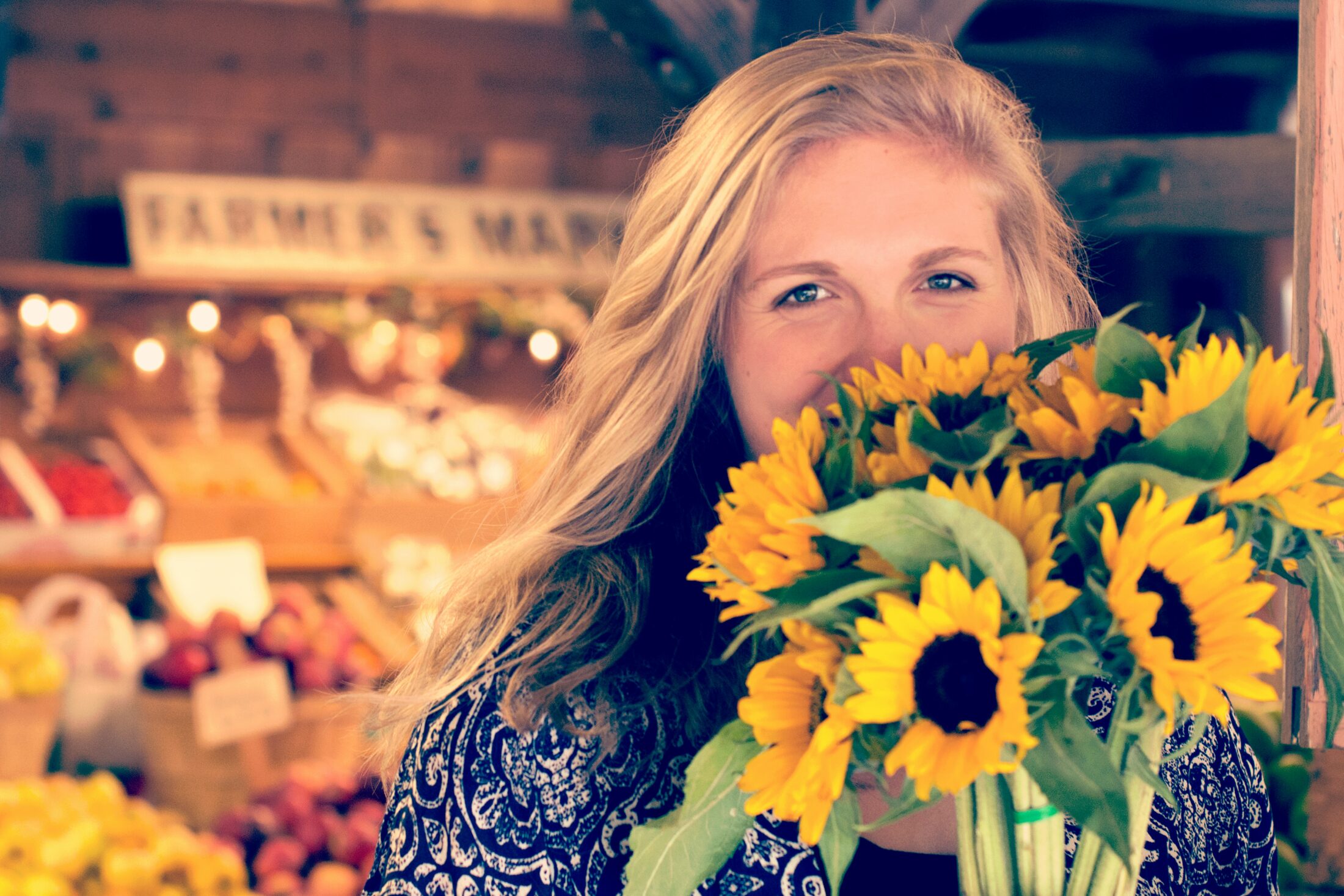
Beyond food: fresh-cut flowers, handmade soaps and body-care items, small-batch olive oils and vinegars, farm-made honey, perhaps some craft goods. These add richness and character to the market experience — you’re supporting more than just farming.
Certified Local – What That Means
This market is run under the “Certified Farmers’ Market” umbrella by the Pacific Coast Farmers’ Market Association (PCFMA) and is listed by the County of San Mateo’s agriculture department as a certified venue.
That means vendors are verified growers or producers, not simply resellers, which helps ensure that most of what you buy is locally grown or made. This designation matters for transparency, freshness, seasonal integrity, and supporting local agriculture rather than large-scale wholesale produce.
Insider Tips for the Best Shopping Experience
If you want to shop like a pro, timing is everything. Arriving right at nine gives you access to the day’s freshest produce before popular items sell out.
You’ll have your pick of perfect berries, delicate greens, and those limited-batch baked goods that always disappear by mid-morning.
On the other hand, arriving after eleven means easier parking and a more leisurely pace. You might even snag a discount as vendors prepare to pack up toward closing time.
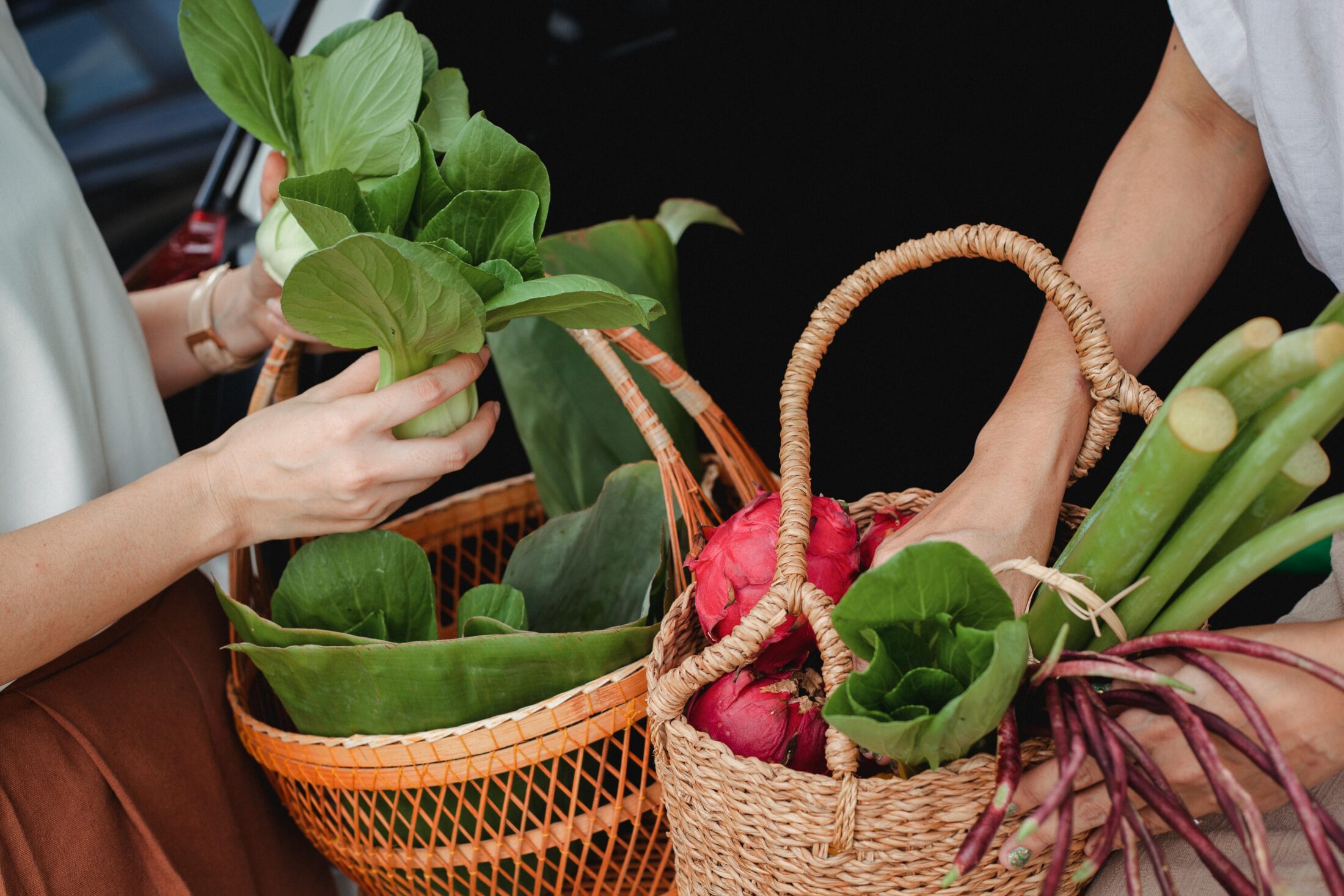
Bringing your own bags — or even a small rolling cart — makes the experience easier and more eco-friendly. Many shoppers also carry a bit of cash, since some smaller stalls prefer it, and exact change can keep lines moving quickly.
Most importantly, talk to the people behind the tables. Farmers are often happy to share details about their growing methods, offer recipe ideas, or suggest how to store delicate produce.
Over time, you’ll find yourself developing favorite vendors and friendly relationships — the kind that turn a Saturday errand into a community ritual.
Frequently Asked Questions
Yes, because it’s scheduled year-round on Saturdays, rain does not automatically cancel it. That said, extreme weather may impact vendors or attendance. Always check social media or the market website if the forecast is severe.
Policies on pets vary. The market is in a college campus parking lot, so check signage and vendor comfort. For safety and courtesy, keep dogs on a leash and under control; some food vendors may prefer no pets near their booths.
You go to the market information booth, swipe your EBT card, and receive market “tokens” or scrip you can spend with participating vendors. Many markets, including this one, participate in Market Match, doubling your benefit up to a certain amount.
There may not be an official ATM right in the vendor parking lot, so it’s wise to bring cash or withdraw before you go. Some nearby commercial zones may have ATM access but don’t count on operating hours aligning with the market’s early schedule.
Vendor offerings change week to week, but artisan breads are a strong category at this market. Arrive early for the best choice. Ask around: regular shoppers often know which bakery stall will have the latest loaf or which cheesemaker is offering a tasting that day.
Yes — the parking lot is used for the market and adjacent campus parking; for the market hours, it is generally available without charge to patrons. However, once the market ends (1:00 p.m.,) campus parking rules may resume, so plan accordingly.
Not always — some premium or specialty items can cost a bit more, but the freshness and flavor often make up for it. You’ll still find great deals on in-season produce, especially when you buy what’s abundant and local.
Key Takeaway
Visiting the San Mateo Farmers’ Market is more than a shopping trip; it’s an experience that connects you to the rhythms of the Bay Area’s agricultural heart.
With its sweeping views of the hills, its friendly vendors, and its bounty of seasonal foods, it captures the essence of community living.
Planning ahead — arriving early, bringing your own bags, and chatting with farmers — helps make the most of every visit.
Whether you’re stocking up on strawberries in spring, peaches in summer, pumpkins in fall, or sourdough bread all year long, the San Mateo Farmers’ Market offers something rare: a taste of genuine local abundance, served with a smile and a sense of place.
If you have any questions about this article, or about the real estate offerings in the San Mateo area, don’t hesitate to give me a call at 650-218-3353 or email me at dingesnonnie@gmail.com to schedule an appointment.