


Choosing where to buy a home on the San Francisco Peninsula is about more than comparing home prices. Your ideal location should match your lifestyle, commuting needs, and long-term goals.
When evaluating San Mateo vs Belmont, you’ll find that both cities offer excellent public schools, convenient transportation, beautiful parks, and strong housing demand. However, each has its own personality that appeals to different types of homebuyers.
Whether you’re purchasing your first home or planning your next move, understanding the differences between these neighboring communities can help you make a confident decision.
What Is the Main Difference Between San Mateo vs Belmont?
When evaluating San Mateo vs Belmont, the main difference lies in their size and topography. San Mateo is larger, offering a bustling, highly walkable downtown and diverse, flat neighborhoods. Belmont is smaller and quieter, defined by its rolling, wooded hills, secluded canyon homes, and a more relaxed, suburban atmosphere.
Exploring the Vibe of Living in San Mateo vs Belmont
Downtown Energy vs Wooded Serenity
One of the biggest lifestyle differences when considering living in San Mateo vs Belmont is how residents spend their everyday lives.
San Mateo offers one of the Peninsula’s most active downtown districts. Downtown San Mateo features hundreds of restaurants, cafés, specialty shops, grocery stores, entertainment venues, and year-round community events.
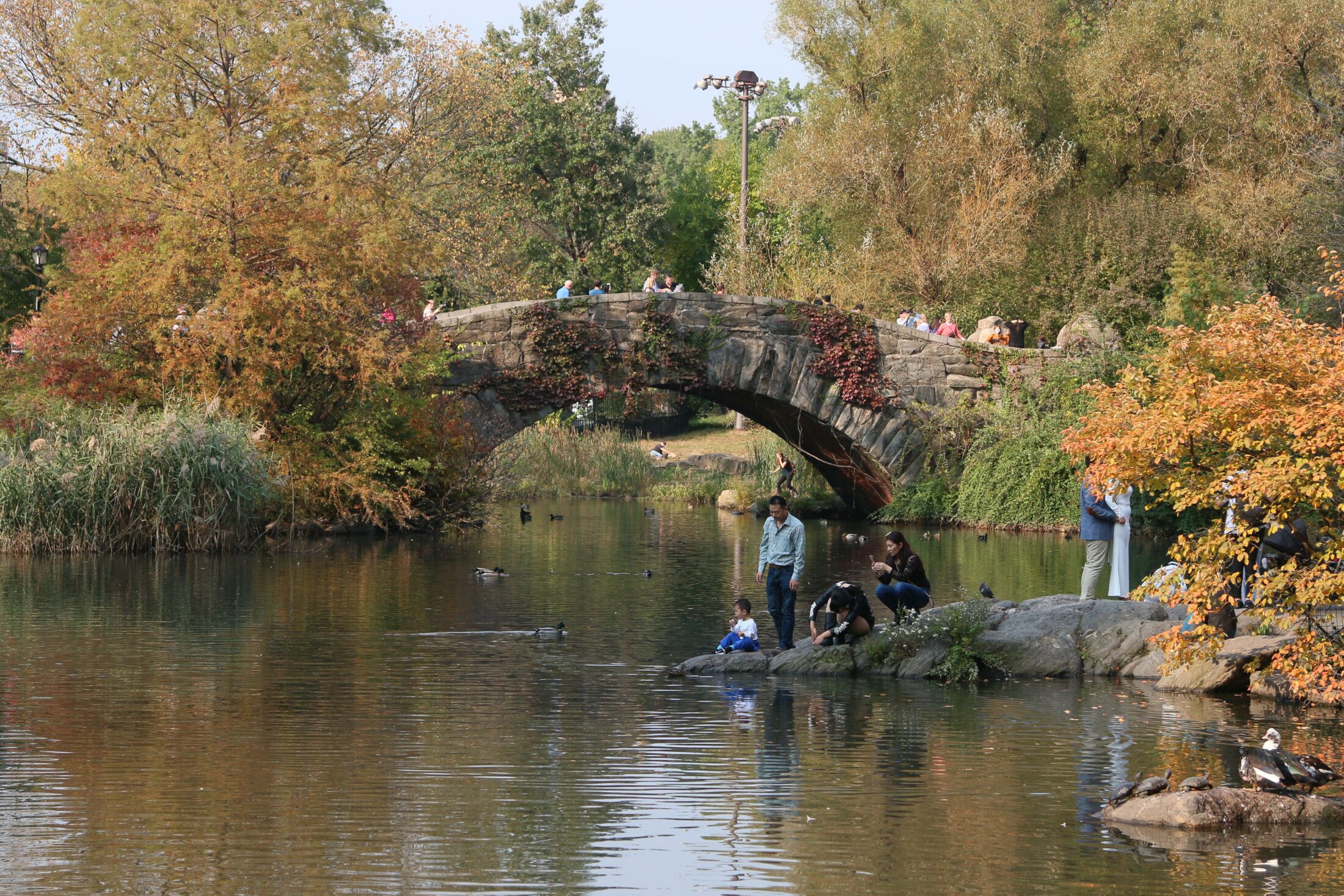
Residents can easily walk to restaurants after work, visit local farmers’ markets, or spend afternoons at Central Park, which includes a Japanese Tea Garden, playgrounds, tennis courts, and seasonal events.
Beyond downtown, San Mateo also offers major shopping destinations like Hillsdale Shopping Center and numerous neighborhood retail districts, giving residents plenty of options without leaving the city.
Belmont offers a completely different experience. While it has local restaurants and small businesses, its appeal centers on quiet neighborhoods and natural surroundings.
Many residents choose Belmont specifically because it feels tucked away from the busier Peninsula cities while remaining close to major employment centers.
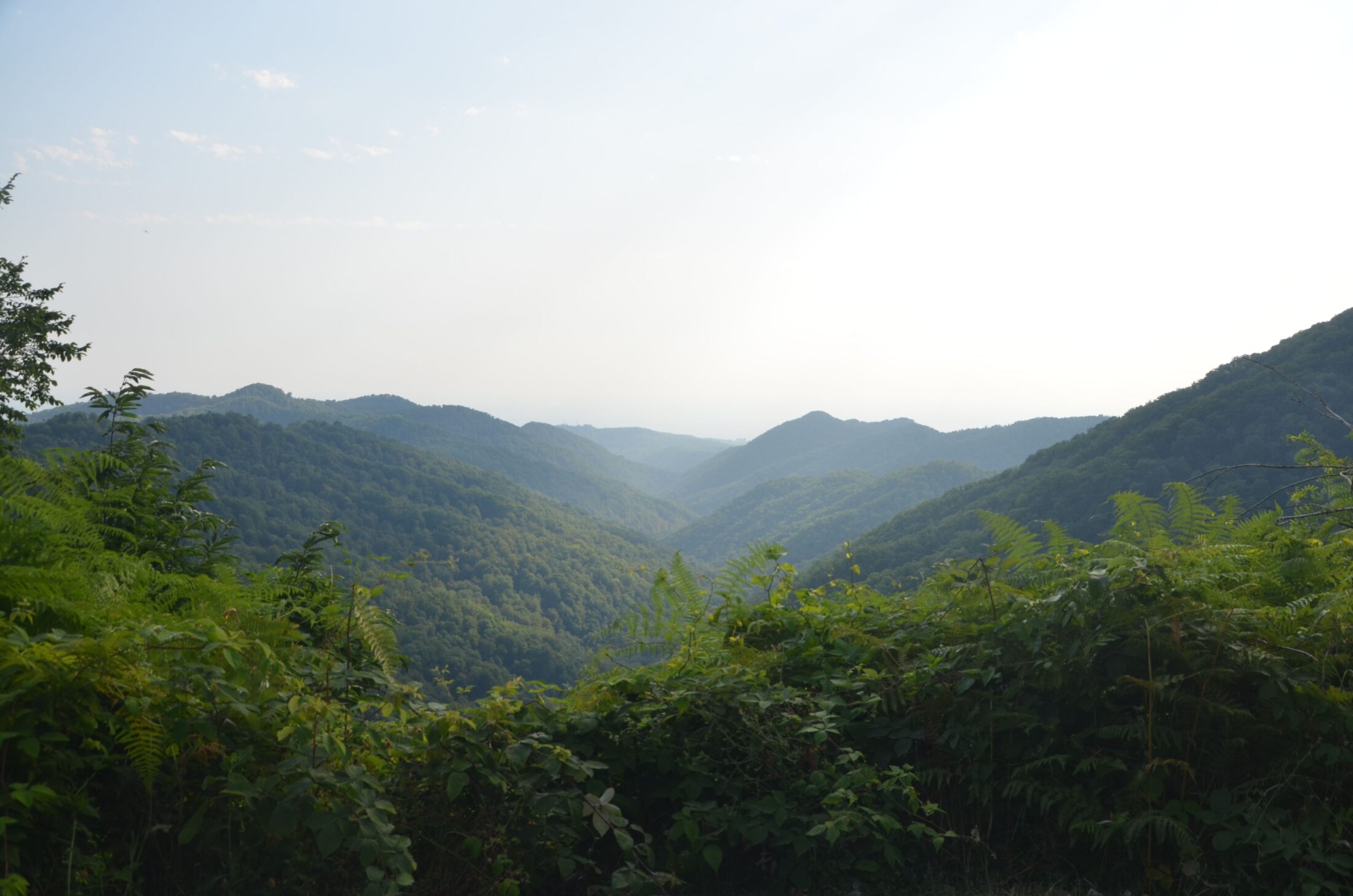
Outdoor enthusiasts especially appreciate Waterdog Lake and Open Space Preserve, which includes several miles of hiking, mountain biking, and trail-running routes. The city’s rolling hills and mature trees create a peaceful atmosphere that’s difficult to find in more urban communities.
Community Atmosphere
The community feel is another major distinction.
Belmont maintains a close-knit, small-town atmosphere where local events often bring neighbors together. The city’s smaller population contributes to a quieter pace of life, making it attractive for buyers looking for a more residential environment.
San Mateo serves as one of the Peninsula’s primary commercial and civic centers. With a population of approximately 103,000 residents, compared with Belmont’s roughly 27,000, San Mateo naturally offers more festivals, cultural events, recreation programs, and entertainment throughout the year.
Buyers who enjoy having more dining, shopping, and nightlife options nearby often appreciate the city’s energy.
Navigating San Mateo Real Estate vs Belmont
Architectural Diversity
When comparing San Mateo real estate vs Belmont, homebuyers quickly notice that the housing stock varies considerably.
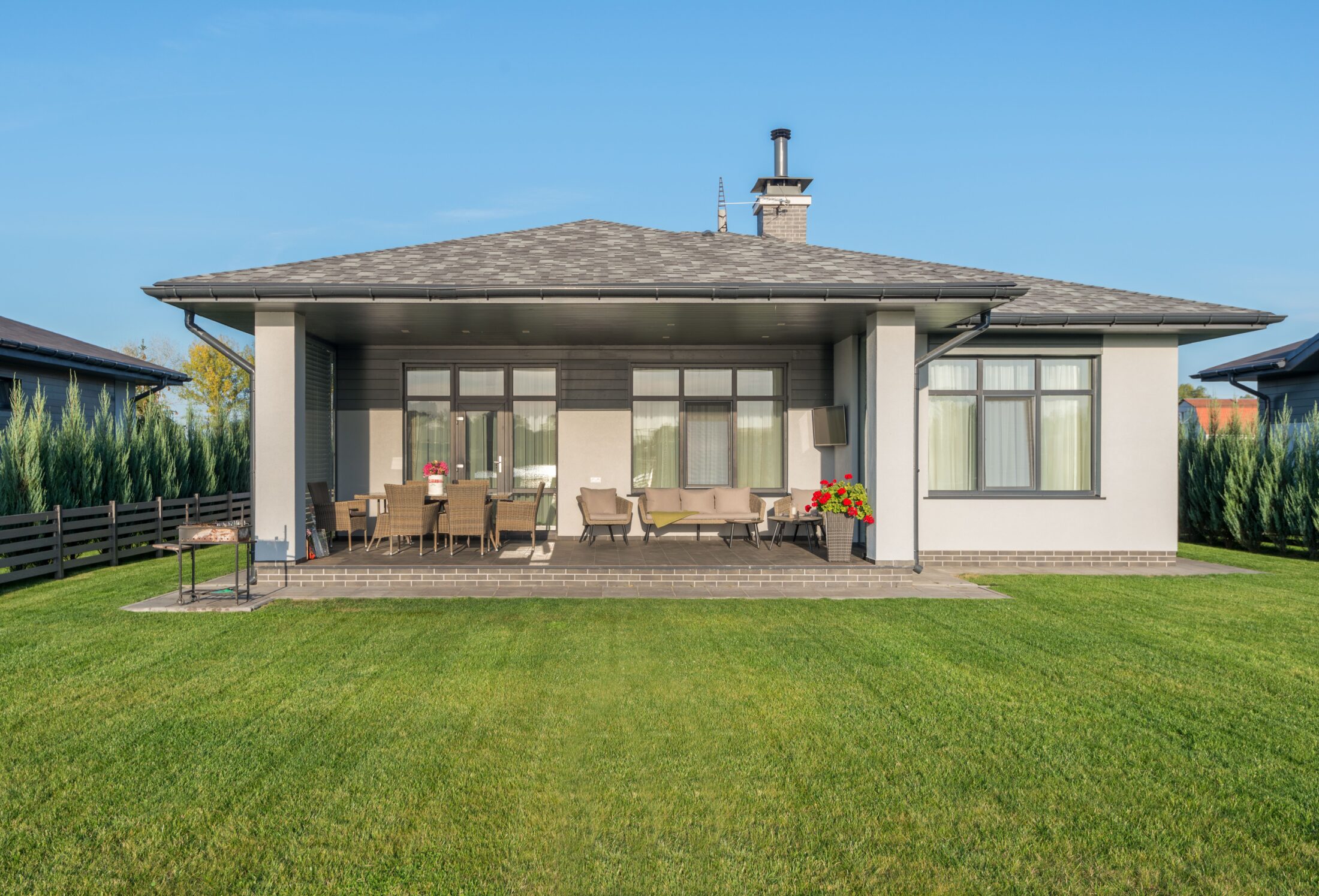
San Mateo offers one of the Peninsula’s most diverse collections of homes. Buyers can find charming Craftsman houses in established neighborhoods, mid-century ranch homes, Eichler properties known for their iconic modern architecture, newly built townhomes, luxury condominiums near downtown, and contemporary custom residences.
This variety gives buyers flexibility across different budgets and lifestyle preferences.
San Mateo’s neighborhoods also differ significantly from one another. Some areas emphasize walkability and urban convenience, while others provide quieter residential streets with larger lots.
Hillside Custom Homes
Belmont’s housing inventory is more defined by its geography.
Many homes are custom-built into the city’s hillsides, taking advantage of elevated locations with panoramic views of the San Francisco Bay, surrounding hills, and wooded canyons. Split-level floor plans are common because they accommodate the area’s sloping terrain.
These unique homes often provide exceptional privacy and impressive scenery, but buyers should understand the practical considerations. Hillside properties may include steep driveways, stair access, retaining walls, terraced landscaping, and additional maintenance requirements compared to homes on flatter lots.
For many homeowners, however, the spectacular views and peaceful setting make these features worthwhile.
Finding Homes for Sale in San Mateo and Belmont Options
Targeting Your Must-Haves
Searching through homes for sale in San Mateo and Belmont requires more than simply comparing listing prices.
Experienced real estate professionals recommend creating a list of your daily priorities before touring homes.
If your routine depends on walking to Caltrain, commuting by bicycle, or living close to restaurants, coffee shops, and grocery stores, central San Mateo may offer the greatest convenience.
The city is served by three Caltrain stations—San Mateo, Hayward Park, and Hillsdale—providing commuters with multiple transit options.

San Mateo’s flatter terrain also makes walking and cycling considerably easier in many neighborhoods.
On the other hand, buyers who prioritize privacy, quiet surroundings, scenic views, and immediate access to nature often find Belmont to be a better match.
The Value of Strategic Comparison
Carefully comparing San Mateo and Belmont allows buyers to evaluate what matters most over the long term.
Families often appreciate Belmont’s highly regarded public schools and peaceful residential streets. Buyers seeking larger custom homes with hillside views may also find Belmont particularly attractive despite its more limited inventory.
Meanwhile, San Mateo appeals to buyers who value flexibility, entertainment, diverse housing choices, and stronger walkability.
Because both cities remain highly competitive real estate markets, comparing neighborhoods—not just individual properties—can significantly improve your long-term satisfaction and investment.
Comparing San Mateo and Belmont Neighborhoods Table
| Lifestyle Feature | San Mateo | Belmont |
|---|---|---|
| Primary Vibe | Bustling, diverse, walkable | Quiet, wooded, hillside |
| Downtown Area | Large, highly active retail and dining district | Small, developing, quaint |
| Topography | Mostly flat with some western hills | Heavily hilly and canyon-based |
| Real Estate Style | Historic homes, mid-century properties, Eichlers, modern condos | Custom hillside homes, split-level residences |
| Caltrain Access | Three stations (San Mateo, Hayward Park, Hillsdale) | One station (Belmont) |
Target Your Ideal Peninsula Lifestyle
Choosing between San Mateo vs Belmont ultimately depends on how you want to live each day.
If you enjoy walkable neighborhoods, abundant dining, shopping, entertainment, and multiple commuting options, San Mateo offers an outstanding balance between urban convenience and suburban comfort.
If your priorities include scenic hillside views, quieter neighborhoods, exceptional outdoor recreation, and a more intimate community atmosphere, Belmont may be the better fit.
By carefully comparing San Mateo and Belmont, evaluating San Mateo real estate vs Belmont, and touring the available homes for sale San Mateo Belmont, you’ll be well positioned to find a home that supports both your current lifestyle and future investment goals.
Whether you’re deciding between San Mateo and Belmont or exploring other Peninsula communities, having experienced local guidance can make the home-buying process much smoother.
For personalized advice, neighborhood insights, or to schedule a private home tour, contact me today at 650-218-3353 or dingesnonnie@gmail.com.

Frequently Asked Questions
Both cities rank among the Peninsula’s higher-priced housing markets. Median home prices fluctuate based on market conditions, but Belmont often commands premium prices for hillside properties with views, while San Mateo offers a wider range of housing types across different price points.
Both communities offer highly regarded public schools. Belmont schools consistently receive strong academic ratings, while San Mateo includes several highly rated schools across multiple districts. Buyers should always verify school assignments for any specific property before purchasing.
San Mateo provides more commuting flexibility with three Caltrain stations: San Mateo, Hayward Park, and Hillsdale. Belmont has one centrally located Caltrain station that serves the community well but offers fewer boarding options.
No. Property taxes in both cities generally follow California’s Proposition 13 guidelines. The base property tax rate is approximately 1% of the assessed value, plus voter-approved local assessments and bonds that vary by location.
Belmont has a smaller downtown with local restaurants, cafés, and neighborhood businesses. San Mateo’s downtown is substantially larger, offering significantly more shopping, dining, nightlife, and community events.
Some hillside neighborhoods located near open space may have elevated wildfire considerations compared to flatter urban areas. Homeowners should review local hazard maps, maintain defensible space where required, and carry appropriate insurance coverage.
Belmont is generally preferred by outdoor enthusiasts because of its direct access to Waterdog Lake and extensive trail systems. San Mateo also offers numerous parks and recreational facilities, but Belmont provides more immediate access to wooded open-space preserves.